Snowy Owls
About Us
Snowy Owls is our Year 3 and 4 class. The class teachers are Mrs Kate Norman (Monday-Thursday) and Mrs Sarah Hutchinson (Friday). We are supported at different times throughout the week by our fabulous Teaching Assistants: Mrs Thomson, Mrs Bernasconi and Miss Archer.
Curriculum and Learning
Over the two years in Snowy Owls, we learn through topic-based lessons which run on a two-year cycle. Our topics include: The Anglo-Saxons, Rainforests, Chocolate, Romans, the Stone Age to Iron Age, Tudors and Vikings. English texts are chosen to provide the children with a broad range of genres, subjects and styles, including fiction and non-fiction, diaries, letters, information texts and poems.
In Maths, we follow the White Rose scheme of work. We plan each lesson to build upon the previous one, so all children make progress and achieve.
Reading
We read frequently in the classroom; with guided reading sessions four times each week, as well as lots of quiet reading or one-to-one reading opportunities.
Reading books are given out at the beginning of each term and children are taught how to change their books independently.
We encourage children to read as broadly as possible from a wide range of genres. Here are some lists of books recommended for years 3 and 4 - it is not exhaustive but a good starting place:
Year 3 recommended reading list
Year 4 recommended reading list
Timetable
Our day starts at 8.40am when the children are collected from the playground. There is a morning work task to settle with, before the main lessons begins.
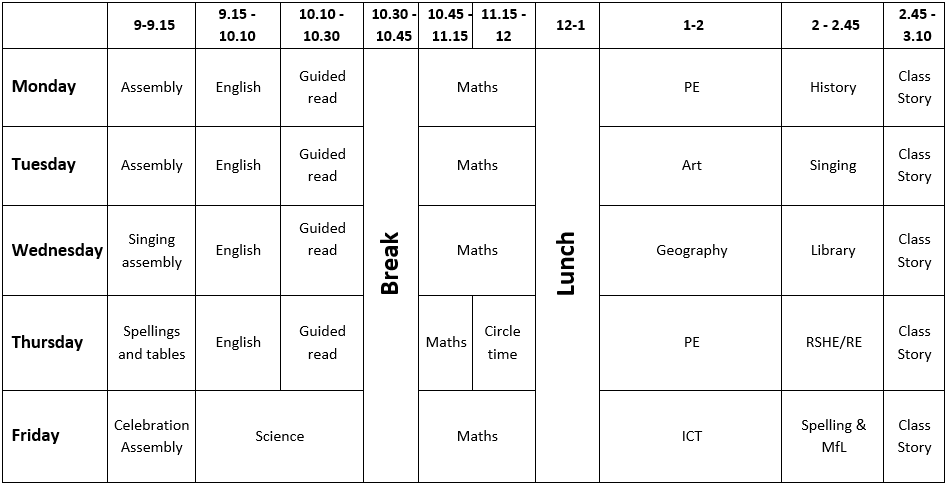
A typical day will include English, Maths and Guided reading in the morning, with other subjects taught in the afternoons.
We have PE twice each week. On PE days children come to school in their PE kit. PE days are set at the beginning of each term and communicated to parents through Class Dojo.
Here is an example of a typical timetable in Snowy Owls Class, which is subject to change:
Assessment
Assessment in Snowy Owls class is ongoing. Informal assessment during lessons helps us to plan for future lessons and shows what children have understood. This is done through talking to children and looking at the work they have produced. Summative assessment takes place each long term and consists of maths reasoning and number papers from White Rose and reading assessments from PIRA (Progress in Reading Assessment). This gives a snapshot of children’s independent work and provides approximate reading ages from which we can support children's reading skills.
At the end of Year 4, children take a government-set multiplication check. This consists of 25 questions based on times tables from 1x1 up to 12x12. Children have 6 seconds to read the question and input the answer into a computer. Although there is not a pass mark on this assessment, we encourage children to learn their tables as thoroughly as possible.
Below is the link to information for parents about the multiplication check: Multiplication tables check: information for parents - GOV.UK
Home Learning
In Year 3 and 4 we do not set formal homework. However, children are expected to read at home at least five times each week and record this in their reading records. They will also have ten spellings to learn and practise each week. In addition to this, times tables are set each week for children to learn. Spellings and tables are tested weekly.
Trips / Visits
We make our curriculum as practical and exciting as possible so we include visits and visitors to school as often as we can.
Visits vary each year, but include trips to local museums and galleries, history days both in school and at Hill End, high ropes courses and orienteering challenges.
In Year 3 and 4 we enjoy a wide range of music experiences. We take part in Music Flood projects and have performed as part of the Mighty Orchestra in both Oxford and Birmingham. We join our community choir to take part in the community Christmas Carol concert.
Communication

Communication is key to a smooth-running classroom, and we do this in several ways.
We use Class Dojo for whole-class messages and notes such as needing to bring something in, or a summary of what we have learnt in the week. We add important dates to this too, so do check regularly for updates.
Teachers are available at the beginning and the end of the day if there is a quick query or message to pass on. If you need a longer meeting, then please email the office who will pass on your message, and we can arrange it with you.
There are two parent’s evenings each year. In the Autumn Term, we discuss how your child has settled into the year group and discuss any concerns. In the Spring Term we talk about your child’s academic progress.
If your child has SEND (Special Educational Needs and Disabilities), in addition to the parent’s evenings, we will invite you to come into school three times each year to review their pupil profile and discuss their support needs.
At the end of the school year, you will receive a school report with details of the levels your child has achieved in the core subjects,
General reminders
Things to bring with you every day:
|
|
|
|
|

-
Water bottle - just plain water, please.
-
Lunch box if you are having a packed lunch.
-
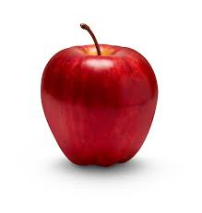
Snack - a break-time snack is no longer provided by the school from year 3 onwards. You will need a piece of fruit or vegetable for your snack. Please do not bring in yogurts, fruit winders (or the like) meat, cheese or other snacks for break time. We are a nut-free school so no nuts at all, please.
-
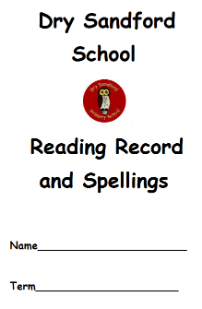
Reading record and reading books. It is important these are in school every day so books can be changed, spellings and times tables practised.
Remember to wear PE kit to school on PE days.
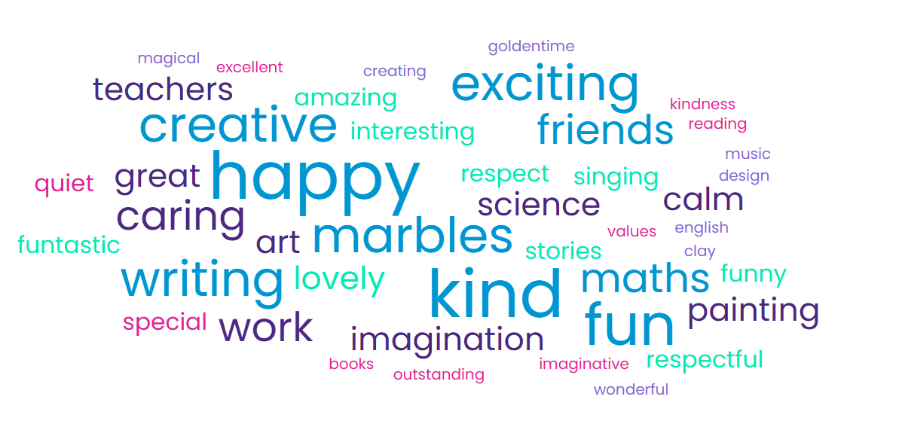
Pupil voice
Here’s what the Snowy Owls pupils love most about our class:
“Snowy Owls is a great class.”
“I love art because we get to do painting and clay.”
“Snowy Owls is great because when we get marbles we get Golden Time.”
“I love it when you read to us and when it gets exciting your eyes go all big.”
“I like this class because in science we get to learn things you didn’t know yet.”
“I like writing stories, so I like English.”
“I like art because we get to use our imagination.”
Useful resources
 Times tables games - Learn them all here!
 Purple Mash | Computing, Maths, English and more - 2simple.com